PLASTIC SURGERY
 ORTHOPAEDIC SURGERY
 BARIATRIC SURGERY
 ABDOMINAL SURGERY
 UROLOGY SURGERY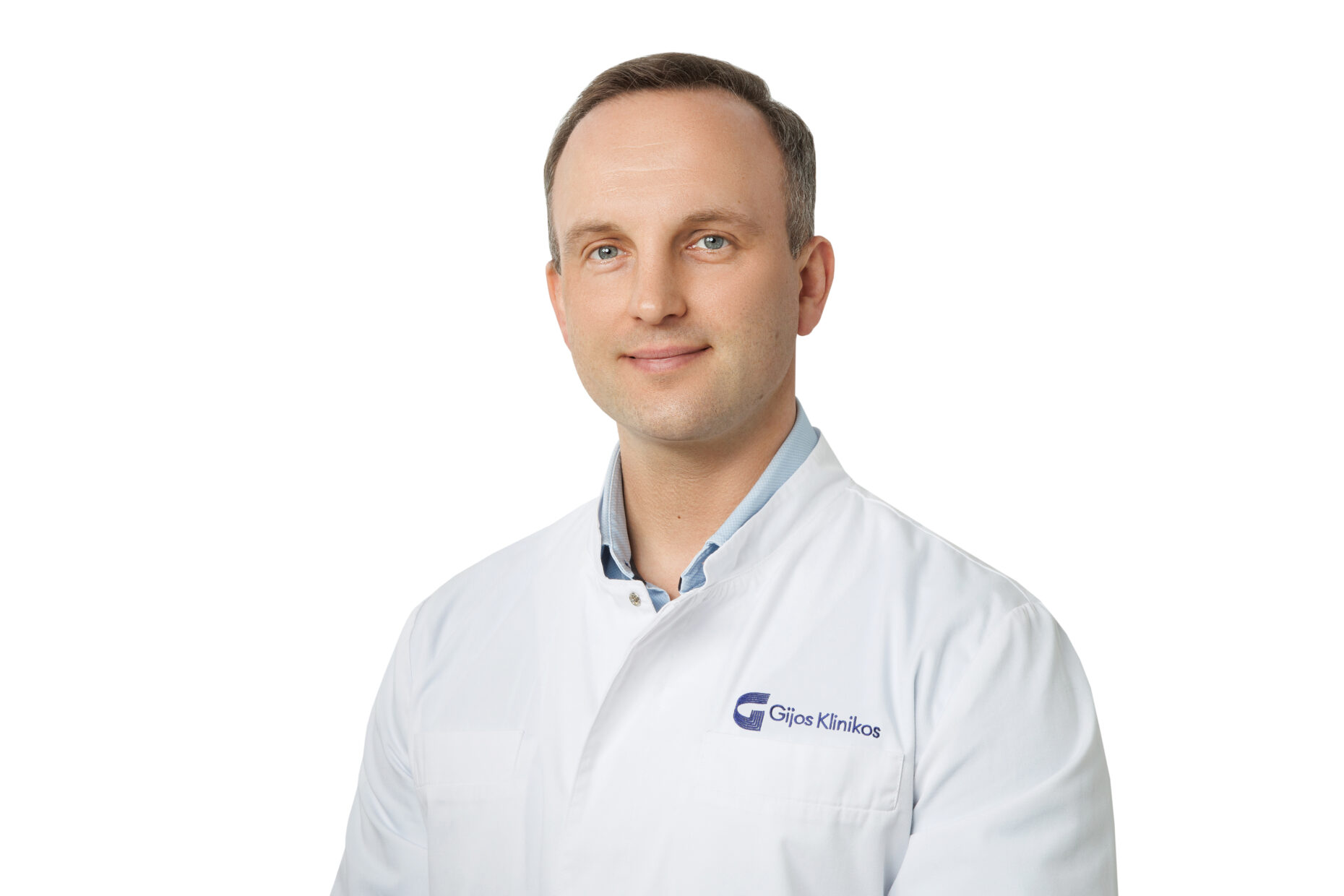
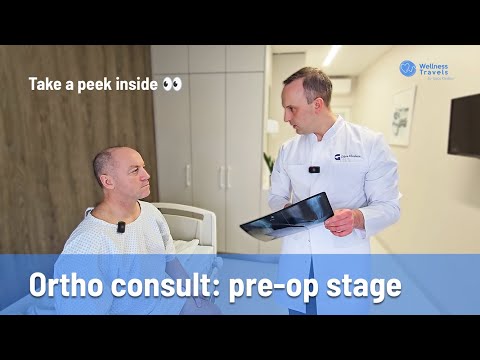
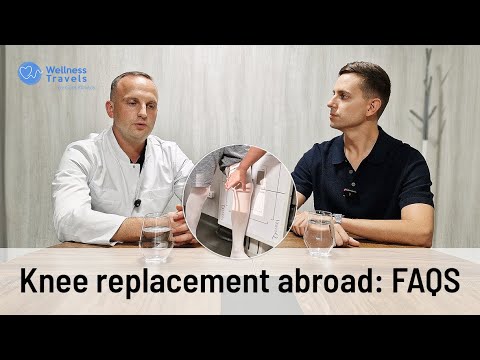
Orthopaedics
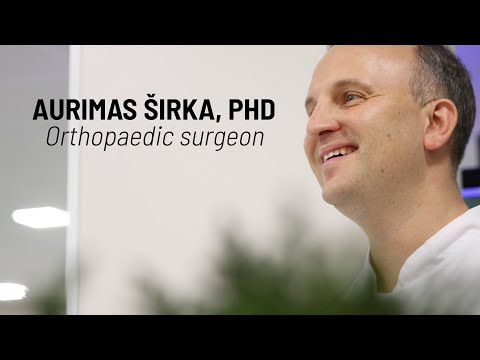
Dr. Aurimas Širka
Orthopaedic surgeon Aurimas Širka, MD, PhD
Specialization:
Joint and Knee Surgery (Primary and Revision Total Joint Replacement Surgery), Unilateral/Partial Knee Replacement Surgery, Diagnosis and Treatment of Implant-Related Infections.
Education & Qualification
- Sep 2005 – Jun 2011 Medical doctor qualification, integrated studies, Master’s degree
- Aug 2011 – Jun 2016 Lithuanian University of Health Science, Kaunas Orthopaedist and traumatologist – Licence number MPL-21108 (Residency)
- Sep 2016 – Jun 2021 Lithuanian University of Health Science Kaunas Clinics, Kaunas Doctor of Medical Sciences, PhD degree Lithuanian University of Health Science, Kaunas
Employment
- Aug 2016 – Present Orthopedic trauma surgeon, Lithuanian University of Health Science Kaunas Hospital, Kaunas
- Sep 2016 – Present Lecturer, Lithuanian University of Health Science, Kaunas
- May 2024 – Present Orthopedic trauma surgeon, Gijos Klinikos
Courses
- ASI hip approach, Zimmer Biomet Masterclass course, Austria. Mar 2021
- ASI approach, Ceraver Academy, France. Sep 2021
- Microport Masterclass course Germany, Medial-Pivot Evolution and Anteriorpath. Mar 2022
- Smith&Nephew Cadaver course, REDAPT hip revision system, United Kingdom Oct 2022
- AAOS Annual Meeting 2023 Las Vegas, USA Mar 2023
- CCJR Annual Meeting 2023, Orlando, USA Dec 2023
- MicroPort Orthopedics – HCP/OR Instructor (Present)
- Jonhson&Jonhson Institute – Primary and revision hip/knee surgeries – HCP/OR Instructor (Present)
The surgeon speaks fluent English and Russian.
Extracurricular activities
- Foxtrot Study, sub-investigator May 2017 – Sep 2018 Kaunas
- SELK2-00005 study, sub-investigator Mar 2019 – Dec 2019 Kaunas
- ANT-005 MAA868 study, subinvestigator Feb 2020 – Feb 2021 Kaunas
- R9933-DVT-2230 study, sub-investigator Sep 2023 – Present
References
- Širka, Aurimas; Clauss, Martin; Tarasevičius, Šarūnas; Wingstrand,
Hans; Stučinskas, Justinas; Robertsson, Otto; Ochsner, Peter Emil;
Ilchmann, Thomas. Excellent long-term results of the Müller
acetabular reinforcement ring in primary total hip arthroplasty: a
prospective study on radiology and survival of 321 hips with a mean
follow-up of 11 years // Acta Orthopaedica. London: Informa
ISSN 1745-3674. 2016, vol. 87, no. 2, p. 100-105. - Raina DB, Sirka A, Qayoom I, Teotia AK, Liu Y, Tarasevicius S, Tanner KE,
Isaksson H, Kumar A, Tägil M, Lidgren L. Long Term Response to a
Bioactive Biphasic Biomaterial in the Femoral Neck of Osteoporotic
Tissue Eng Part A. 2020 Apr 3. doi: 10.1089/ten.TEA.2020.0018. PMID:
32242474. - Sezgin EA, Markevičiūtė V, Širka A, Tarasevičius Š, Raina DB, Isaksson H,
Tägil M, Lidgren L. Combined fracture and mortality risk evaluation for
stratifying treatment in hip fracture patients: A feasibility study. Jt Dis
Relat Surg. 2020 Apr 11:ehc.2020.73458. doi: 10.5606/ehc.2020.73458.
PMID: 32315279 - Kok J, Širka A, Grassi L, Raina DB, Tarasevičius Š, Tägil M, Lidgren L,
Isaksson H. Fracture strength of the proximal femur injected with a
calcium sulfate/hydroxyapatite bone substitute. Clin Biomech (
Bristol, Avon). 2019 Mar;63:172-178. doi: 10.1016/j.clinbiomech.2019.03.008.
Epub 2019 Mar 13 - Širka A, Raina DB, Isaksson H, Tanner KE, Smailys A, Kumar A,
Tarasevičius Š, Tägil M, Lidgren L. Calcium Sulphate/Hydroxyapatite
Carrier for Bone Formation in the Femoral Neck of Osteoporotic Rats.
Tissue Eng Part A. 2018 Jul 16. doi: 10.1089/ten.TEA.2018.0075. - Qayoom, D. B. Raina, A. Širka, Š. Tarasevičius, M. Tägil, A. Kumar, L.
Lidgren. Anabolic and antiresorptive actions of locally delivered
bisphosphonates for bone repair. A review. Bone&Joint Research, 2018
Oct 3, https://doi.org/10.1302/2046-3758.710.BJR-2018-0015.R2 - Stučinskas, Justinas; Robertsson, Otto; Širka, Aurimas; Lebedev, Aleksej;
Wingstrand, Hans; Tarasevičius, Šarūnas. Moderate varus/valgus
malalignment after total knee arthroplasty has little effect on knee
function or muscle strength // Acta Orthopaedica. London: Informa
ISSN 1745-3674. 2015, vol. 86, no. 6, p. 728-733.